
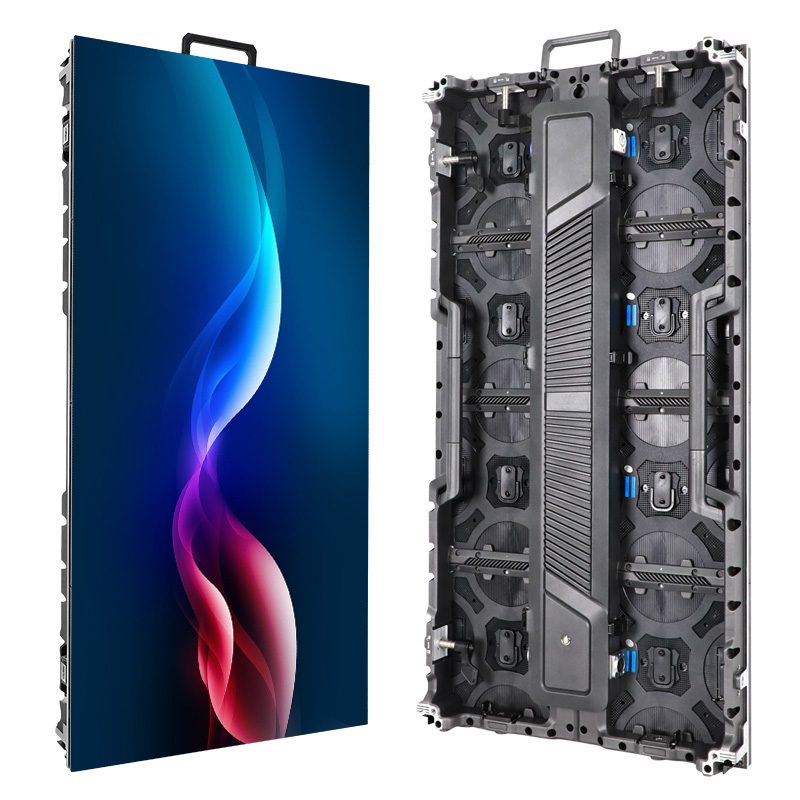
Digital billboards can make a brand visible in a crowded city, but visibility alone does not establish commercial value. A screen becomes useful when the right audience can understand its message, the purchased airtime is delivered reliably, and the campaign supports a measurable business objective. Famous locations provide inspiration; they do not guarantee a return.
This guide examines ten digital billboard examples and display environments, including Nasdaq MarketSite, Shibuya Crossing, Piccadilly Lights, and Dubai Mall. The selection compares commercial opportunities rather than claiming an audited ranking of the world’s most valuable advertising assets. Comparable revenues and transaction values are not publicly available for every location.
Use the examples to evaluate digital billboard advertising, compare digital and static inventory, and prepare an LED display brief. Screen facts are linked to operator, manufacturer, or official destination sources. The commercial lessons are editorial analysis, and any calculations are clearly labelled illustrations. Confirm current availability, specifications, and prices directly before committing to a placement.
1. Digital billboards: compare commercial value
A digital billboard is an electronic advertising display whose content can change without replacing a printed poster. Large outdoor versions normally use LED modules assembled into cabinets. A digital spectacular is a prominent installation distinguished by scale, shape, location, or creative treatment. Digital out-of-home, or DOOH, is the broader category, which also includes smaller screens in retail and transport environments.
The best digital billboards for a campaign are those that match its objective. Corporate recognition, nearby store visits, event attendance, and a filmed brand moment require different locations and schedules. Evaluate audience relevance, sightlines, message readability, delivery evidence, and total cost together. A district’s footfall is not automatically the audience of an individual advertisement.
| Example or environment | Potential campaign use | What the buyer must establish |
|---|---|---|
| Nasdaq MarketSite, New York | Corporate milestones | Exact tower or marquee surface and package |
| Shibuya Crossing, Tokyo | Culture and entertainment | Named screen, viewing direction, and clutter |
| Piccadilly Lights, London | Premium brand storytelling | Shared layout versus full-screen exposure |
| The Bund, Shanghai | Destination-linked visual campaigns | Actual asset, owner, and bookable inventory |
| Tsim Sha Tsui waterfront, Hong Kong | Art and place-based partnerships | Commercial availability versus curated programming |
| Dubai Mall, Dubai | Retail discovery | Screen location and route to the store |
| Ovation Hollywood, Los Angeles | Entertainment and shopping | Marketing, sponsorship, and event allocation |
| 1535 Broadway, New York | Large-format brand awareness | Current specifications and contracted airtime |
| Westfield Les 4 Temps, Paris La Défense | Immersive retail experiences | Creative surface and shopper dwell |
| Ten Square, Singapore | Anamorphic brand experiences | Viewing point and production requirements |
Numbering identifies examples; it does not imply a revenue league table. Some entries describe a display environment because treating an entire district as one billboard would mislead buyers. When a seller cannot identify the precise asset, pause the comparison until a screen list and placement map are supplied.
2. Nasdaq MarketSite digital billboards, New York
Nasdaq MarketSite brings a recognizable business setting to Times Square advertising. Nasdaq lists its Tower, Marquee, and other Times Square billboards as advertising opportunities. Its 25-year MarketSite retrospective establishes a modern history; this digital installation is not nearly two centuries old.
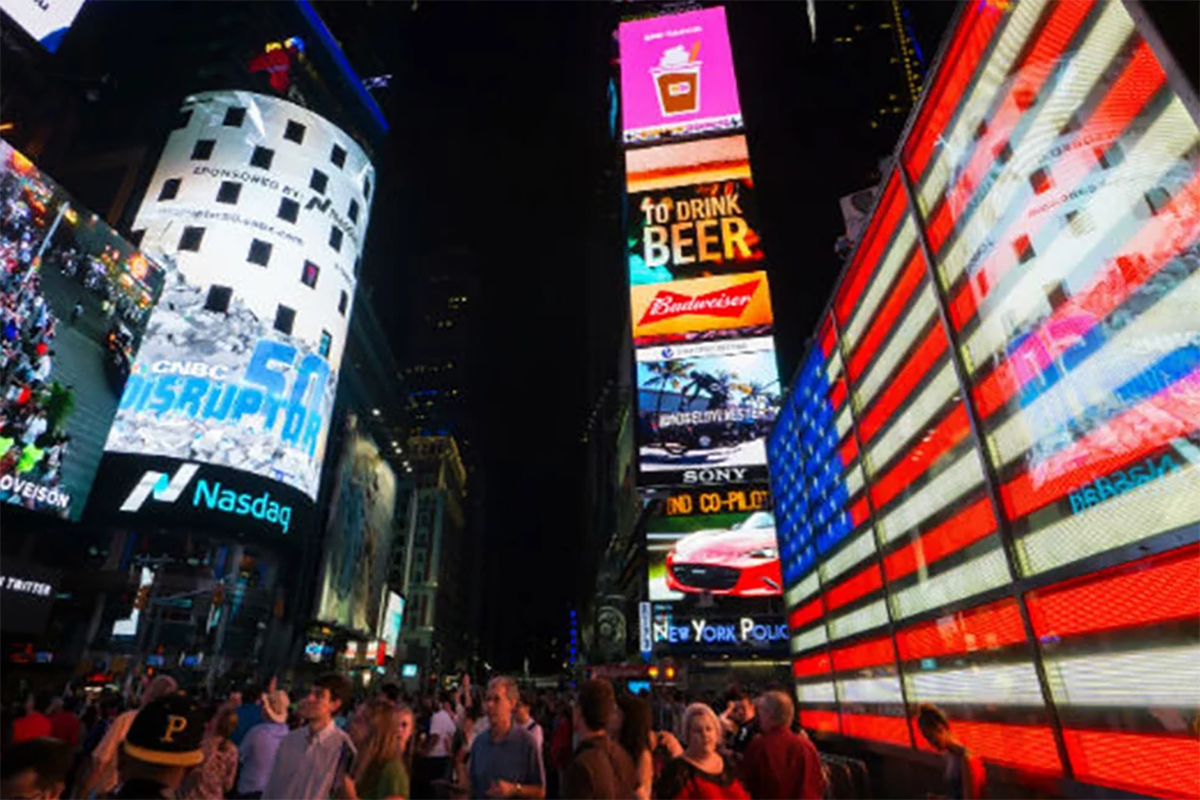
The commercial opportunity is contextual recognition. A company milestone displayed here may communicate a business narrative more effectively than an anonymous background. Nevertheless, an advertising appearance does not itself imply a Nasdaq listing, endorsement, or participation in a bell ceremony. Confirm which services the proposal actually includes.
For these digital billboards, specify surface, playback dates, spot duration, repetitions, photography, and usage rights separately. If a photograph is the main deliverable, plan the camera position and a readable message before buying airtime. If sustained awareness is the objective, compare the complete flight and audience evidence rather than the price of one brief appearance.
3. Shibuya Crossing digital billboards, Tokyo
Shibuya Crossing contains multiple competing screens. Tokyo’s official tourism guide identifies QFRONT and its Q’s Eye display directly facing the crossing. That precise identity is more useful for a media brief than a generic promise to advertise “in Shibuya.”
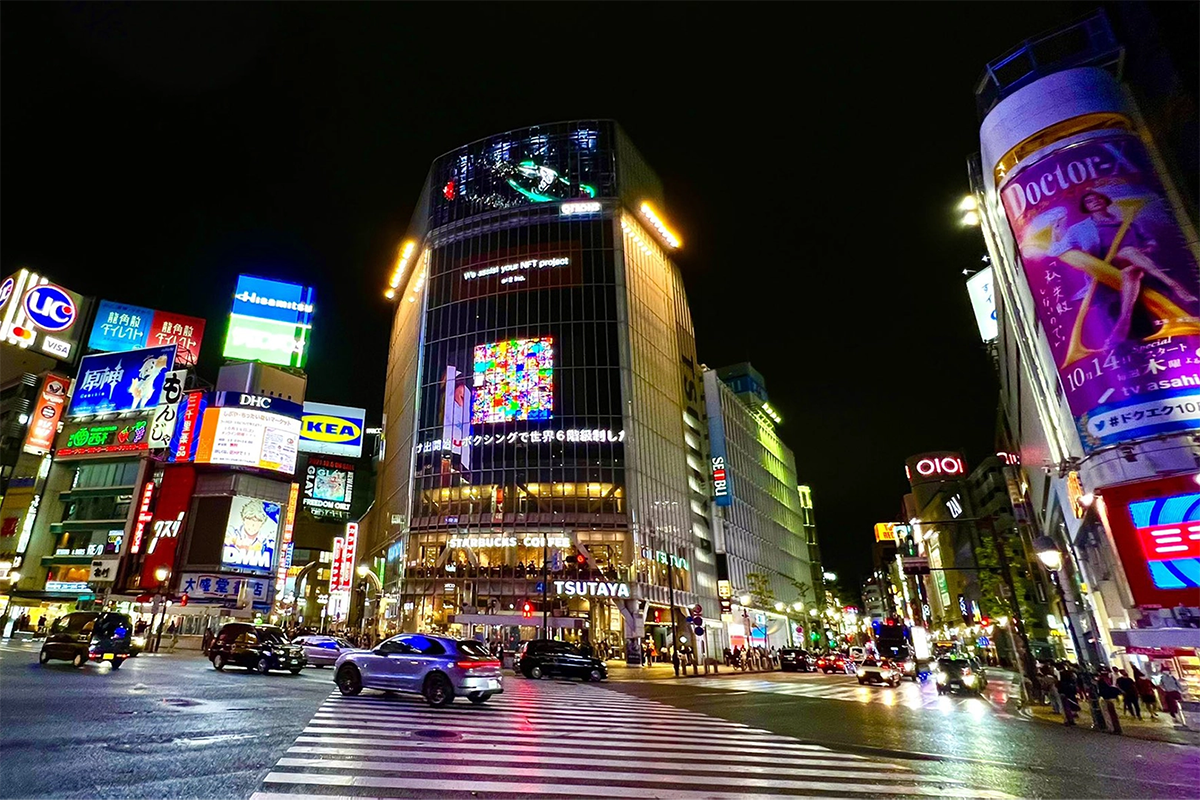
Digital billboards in this setting must communicate through visual competition and changing pedestrian movement. A practical creative test is whether someone can recognize the brand and main idea from a brief glance without hearing audio. Language, contrast, and the size of the product image deserve early attention.
Ask for a screen-specific map, actual street-level footage, and approved creative specifications. Coordinated campaigns across several digital billboards need an inventory schedule showing which screens synchronize and when. Do not assume that buying one surface secures a takeover of the crossing. For youth, fashion, or entertainment campaigns, establish audience fit through the operator’s evidence rather than treating every passer-by as a relevant prospect.
4. Piccadilly Lights digital billboard, London
Ocean Outdoor describes Piccadilly Lights as a 783.5-square-metre screen with a six-brand patchwork arrangement. That total area does not describe the exposure purchased by each advertiser. The operator also announces a revised creative arrangement from January 2027, making campaign dates particularly important when comparing proposals.
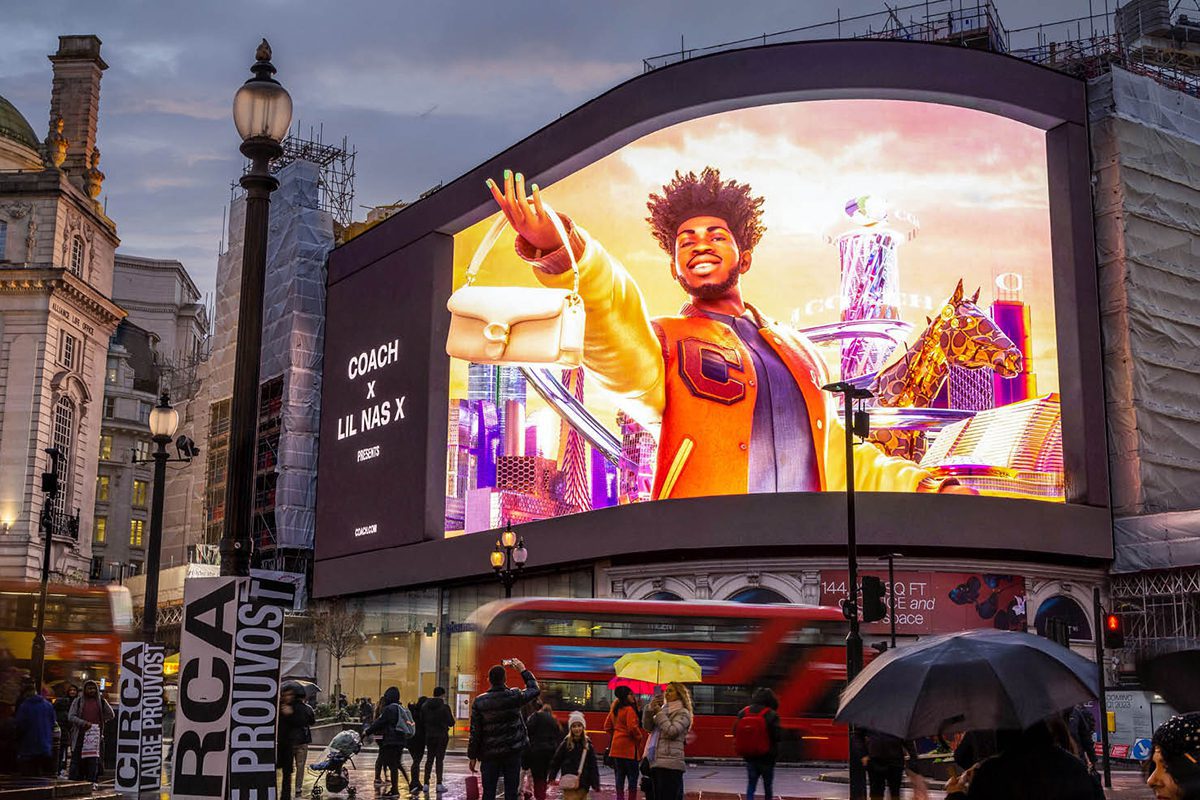
The commercial lesson is to price the actual canvas and schedule. A shared segment, a takeover moment, and an integrated event are different products even when they use the same address. Request the current template, transition rules, and guaranteed allocation for your dates.
For digital billboards with curvature, creative should survive several street approaches. Keep essential branding away from distortions, seams in the composition, or areas occupied by another advertiser. Submit a simple test layout before producing a complex animation. The most impressive camera view is useful for publicity, but ordinary pedestrian readability remains a separate design requirement.
5. The Bund LED display environment, Shanghai
The Bund is a waterfront setting, not a single standardized digital billboard product. A skyline photograph cannot establish ownership, dimensions, operating hours, or commercial availability. This entry therefore illustrates a buying challenge rather than assigning the district an unsupported advertising value.
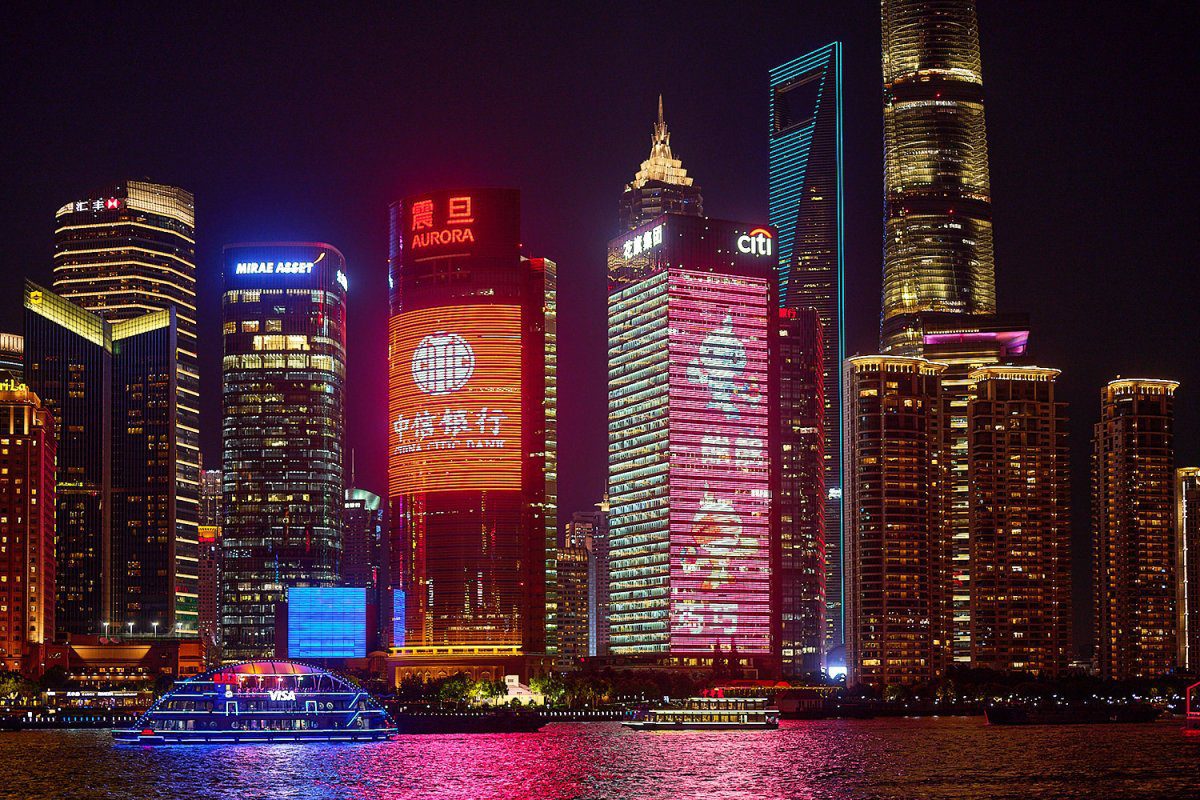
For digital billboards viewed across a river, the commercial constraint is often the viewing geometry. Building orientation, intervening structures, atmospheric conditions, and distance affect what the audience can read. Request the proposed screen’s address and photographs from the intended viewing location, not only a close-up rendering.
Use large visual forms and brief copy when long sightlines dominate. Ask the operator to identify approved operating periods and the specific display surface offered. For owners planning comparable LED façades, service access and module replacement deserve as much attention as appearance. A dramatic skyline association has limited value if the message cannot be read or the installation cannot be maintained economically.
6. Victoria Harbour and Tsim Sha Tsui façade displays
Hong Kong’s waterfront illustrates the difference between an illuminated landmark and advertising inventory. Sino Group documents digital art on its Tsim Sha Tsui and Empire Centre façades. That establishes a programmed display use; it does not establish unrestricted commercial slots.
Before comparing such opportunities with conventional digital billboards, determine whether the offer is advertising, sponsorship, a commissioned artwork, or a cultural partnership. Each has a different approval process and a different definition of successful delivery.
Evaluate near-side pedestrian viewing and distant harbour viewing separately. One animation may not communicate equally well at both distances. For waterfront LED installations, discuss corrosion exposure, enclosure details, drainage, and access with the project engineer. An ingress-protection rating describes particular protection characteristics; it should not be treated as a complete assurance against every coastal operating risk.
7. Dubai Mall digital advertising displays
Dubai Mall should be assessed as a retail media environment with distinct screens and shopper routes. Emaar’s 2014 offering circular provides historical advertising-network context, not a current inventory guarantee. Request an up-to-date location list and specification sheet.
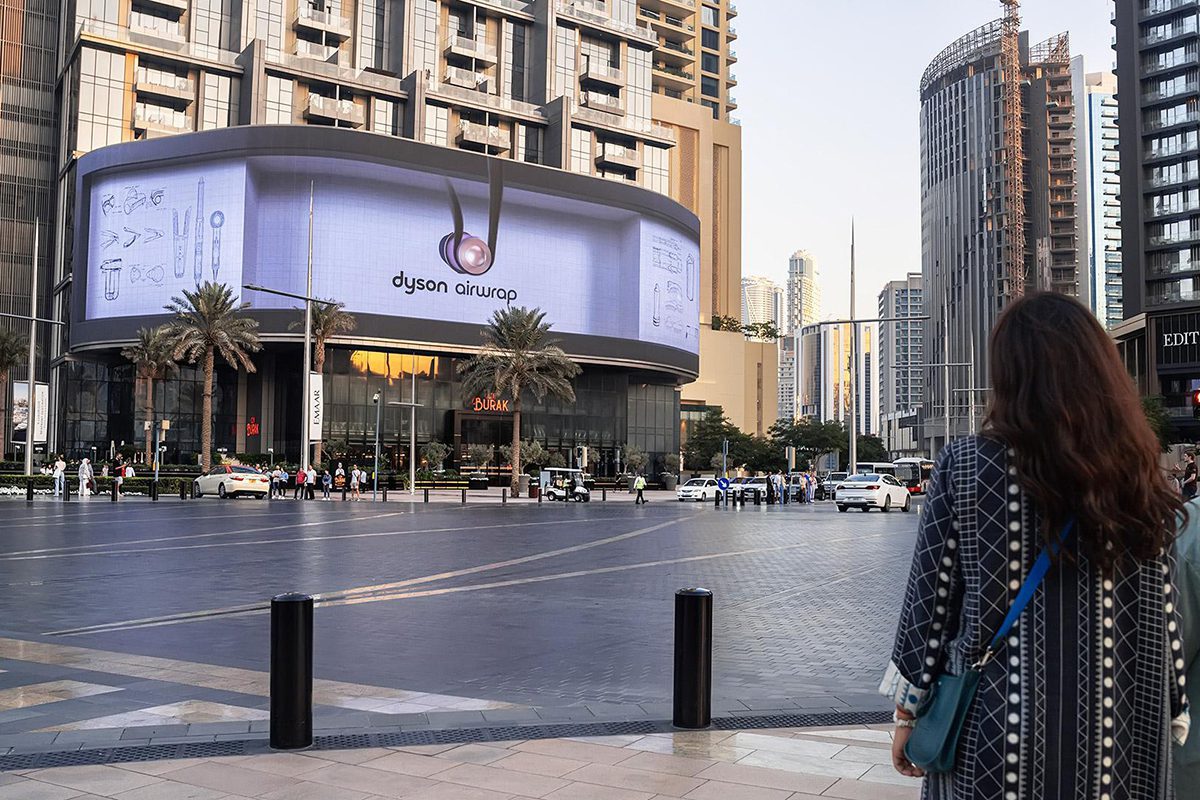
The potential advantage of retail digital billboards is proximity to a purchase or experience. A message promoting an on-site store can include a recognizable product and a useful location cue. The plan should explain how shoppers travel from the display to that destination.
Do not divide a mall-wide visitor count among screens and call the result measured ad exposure. Ask how screen-level audiences are estimated and how the purchased schedule is reflected. Coordinate campaign dates with stock, opening hours, and the advertised offer. Digital billboards can attract attention, but an unavailable product or confusing route wastes that opportunity.
8. Ovation Hollywood digital billboards, Los Angeles
Ovation Hollywood offers a more specifically documented example than a broad claim about every screen at Universal Studios. Daktronics reports two LED displays installed in 2023 for the shopping and entertainment complex, with uses including on-site and off-site marketing, sponsorships, and entertainment.
Those uses reveal how digital billboards can serve several revenue and visitor-experience functions. They also raise an allocation question: how much time remains for a paying advertiser once venue information, sponsorship commitments, and event content are scheduled?
Request a clear description of placement, daily schedule, and interruption rules. If a campaign supports a nearby entertainment release, align creative changes with the release calendar and confirm turnaround times. Venue programming may provide useful context, but it should not obscure contracted delivery. Keep event exposure and ordinary-day exposure separate in both planning and reporting.
9. The 1535 Broadway digital spectacular, New York
Clear Channel’s 2014 launch announcement identifies a large digital display at 1535 Broadway, between 45th and 46th Streets. Historical launch specifications describe that project at that date; they should not be promoted as a current world-record claim.
This example shows why a digital spectacular needs a precise inventory identity. Times Square contains many unrelated assets, and similar photographs can conceal differences in dimensions, orientation, and commercial terms. Use the address and current operator documentation instead of an uncertain legacy nickname.
Large digital billboards reward disciplined visual hierarchy. Start with one focal image and one primary message, then test the artwork at the apparent size a pedestrian will see. Compare share of voice, total plays, and audience methodology with other proposals. Physical scale may strengthen impact, but it does not independently prove attention, recall, or additional sales.
10. Westfield Les 4 Temps digital display, Paris La Défense
A named retail installation is more useful than an unsupported generalization about digital billboards along the Champs-Élysées. Creative studio Admemori documents its motion-design work for Westfield Les 4 Temps, illustrating an immersive display environment in Paris La Défense.
Retail digital billboards can give a campaign more time to develop than a brief roadside encounter, but dwell time must be established for the particular screen. Escalator views, circulation paths, seating areas, and store entrances create different exposure opportunities. Request observations for the relevant route and time of day.
Match production to the actual canvas. An animation that stretches across an unusual surface may need a dedicated pixel map and safe areas. For a retail brief, define whether the objective is destination atmosphere, store discovery, or a specific promotion. Ask how the operator separates advertising from ambient content so the planned campaign can be evaluated against an agreed deliverable.
11. Ten Square digital billboard, Singapore
Ten Square’s official billboard page presents an identifiable anamorphic DOOH opportunity at 1 Short Street. It is a clearer example of commercially offered digital billboards than assuming a tourist attraction’s architectural lighting can be purchased as standard advertising inventory.
Anamorphic content creates apparent depth through perspective and carefully composed animation. The screen geometry, content, and viewer position work together. A corner or curved LED display alone does not automatically turn ordinary video into a convincing three-dimensional scene.
For digital billboard advertising here, request the viewing point, content template, production scope, approval milestones, and documentation plan. Evaluate the design from ordinary street positions as well as the intended filming spot. Operator audience estimates and potential social sharing describe different things; neither should be added to guaranteed campaign delivery without a transparent method. Keep the brand recognizable even when the illusion is less pronounced.
12. Digital billboard advertising costs and inventory
01. Compare digital billboards with static placements
Digital billboards support scheduled creative changes and shared advertising loops. Static billboards can provide continuous display of one design for a contracted period. Neither format is automatically superior: compare the audience, visibility, duration, production burden, and buying objective on equal terms.
| Buying factor | Digital billboards | Static billboards |
|---|---|---|
| Creative changes | Scheduled updates, subject to approval and connectivity | New artwork usually requires production and installation |
| Exposure allocation | Often shared in a loop; verify contracted share | Typically one displayed message per face during the booking |
| Time-sensitive offers | Can support dayparts and dated messages | Best suited to messages remaining relevant throughout the flight |
| Production requirements | Native pixels, format, motion rules, and quality checks | Print specifications, materials, installation, and removal |
| Delivery evidence | Proof-of-play plus separate audience estimates | Posting evidence plus separate audience estimates |
| Price comparison | Include media, adaptation, platform fees, and documentation | Include media, print, posting, and any replacement costs |
For small businesses, a relevant local digital billboard may be more useful than a landmark abroad. Define the service area and intended response first. Ask for a manageable test flight with a clear budget and consistent creative, then compare outcomes with an appropriate baseline.
02. Normalize digital billboard advertising quotations
There is no universal rate for the ten examples above. Price depends on dates, location, demand, airtime, audience, exclusivity, and production services. Buying a screen is also different from renting advertising space: equipment expenditure belongs in an ownership budget, while media fees purchase campaign delivery.
A hypothetical ten-second spot in a sixty-second loop occupies one sixth of scheduled loop time, or about 16.7%. That is a time-share calculation, not a guarantee that one sixth of all passers-by sees the advertisement. Confirm actual loop rules, operating hours, interruptions, and make-good arrangements.
| Item | Evidence to request | Reason |
|---|---|---|
| Inventory | Address, screen ID, face, dimensions, current photo | Confirms the asset being purchased |
| Schedule | Dates, hours, spot length, plays, loop or share of voice | Makes competing offers comparable |
| Audience | Measurement source, date, coverage, campaign allocation | Separates venue traffic from ad exposure |
| Creative | Pixel map, file format, motion policy, approvals | Avoids rework and rejected files |
| Delivery | Playback logs, outage reports, make-good terms | Defines evidence and remedies |
| Complete price | Media, production, fees, taxes, filming and rights | Prevents a low headline price hiding costs |
CPM equals cost divided by estimated campaign impressions, multiplied by 1,000. An illustrative $6,000 media plan delivering 750,000 estimated impressions has an $8 media CPM. If production adds $1,500, the illustrative total-cost CPM becomes $10. These are arithmetic examples, not operator prices or predicted results.
Proof-of-play establishes playback activity; it does not establish attention or purchases. Choose a measurement approach before launch: awareness research, store response, or a credible comparison of relevant business outcomes. Account for seasonality and other advertising. A campaign photograph is useful documentation, but it cannot replace delivery records.
13. LED specifications that protect commercial value
01. Specify digital billboards for the viewing conditions
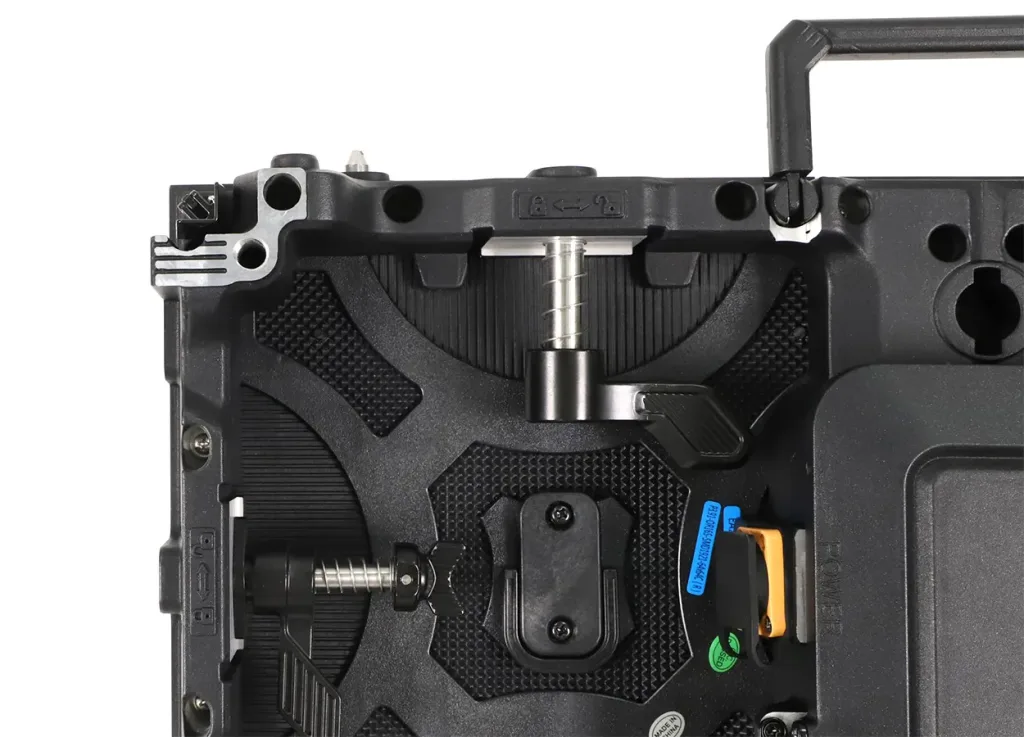
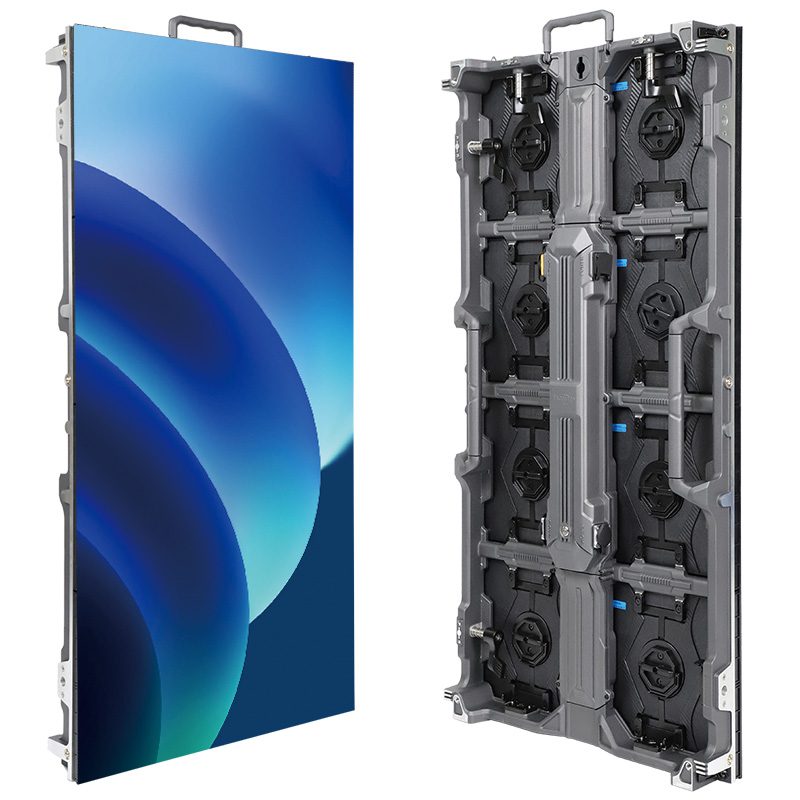
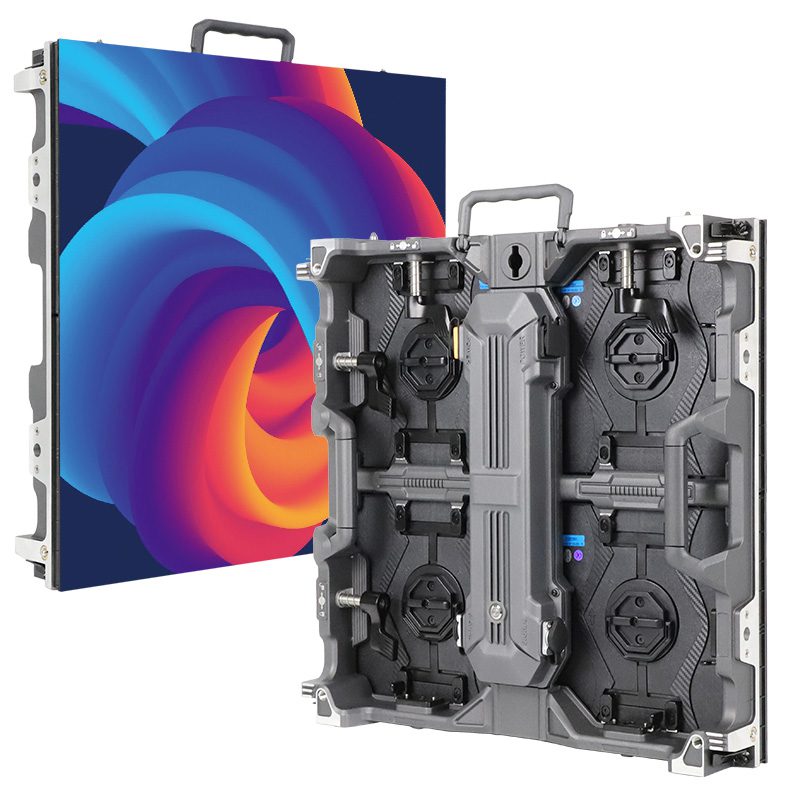
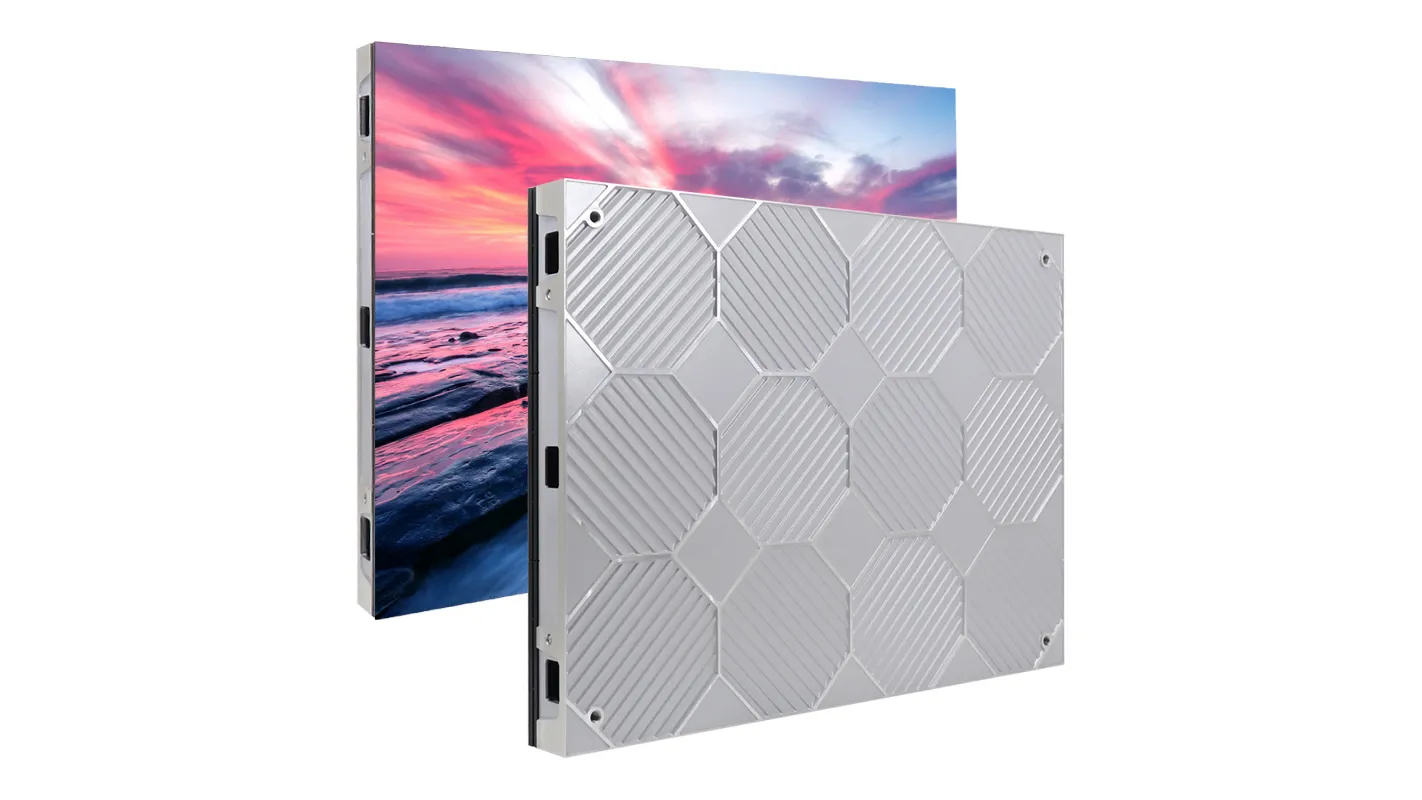
For owners, dependable operation turns an attractive screen into usable inventory. Start with the viewing distance, physical dimensions, content, climate, operating hours, and maintenance access. Our LED advertising pixel-planning guide explains how to connect the display brief to readable content.
| Specification | What to establish | Acceptance evidence |
|---|---|---|
| Pixel pitch and resolution | Required detail at real viewing distances | Native pixel map and representative content test |
| Brightness and control | Daytime visibility and appropriate night settings | Commissioned dimming schedule and light-sensor test |
| Refresh and image quality | Stable playback, colour consistency, camera suitability | Test with the intended video and camera settings |
| Environmental protection | Front and rear exposure, drainage, temperature, corrosion | Site-specific enclosure and thermal design |
| Power and structure | Peak load, expected consumption, mounting and access | Electrical design and qualified structural review |
| Control and continuity | Scheduling, permissions, monitoring, fallback content | Playback logs and simulated fault recovery |
| Service | Spare parts, calibration, response time, exclusions | Written maintenance and warranty scope |
Pixel pitch is the distance between adjacent pixel centres. For illustration, a 6,000 mm-wide display at 6 mm pitch has 1,000 pixels across; at 10 mm pitch it has 600. Cabinet and module layouts must support the final dimensions. More pixels permit finer detail, but do not automatically improve a message viewed from far away.
Brightness should be adjustable, not simply maximized. Daktronics describes light-sensor-controlled brightness for different ambient conditions. Commission digital billboards on site and check daytime legibility and night operation. Where campaign filming matters, test for flicker or banding with the actual camera setup rather than relying on one refresh-rate figure.
02. Evaluate suppliers and operating costs
A top billboard supplier should explain how the complete installation will operate and be serviced. Ask for comparable project references, module availability, controller support, calibration procedures, and a clear division of responsibility between the display manufacturer, installer, and media operator. A warranty duration alone does not define the speed or cost of restoring a failed screen.
Budget for structure, electrical work, installation, approvals, connectivity, software, energy, cleaning, spares, and maintenance alongside the LED cabinets. Separate peak electrical demand from expected energy consumption. Model income using realistic sold inventory and net selling rates, then test lower occupancy and unexpected downtime. No digital billboard example can guarantee another project’s payback.
For an equipment discussion, prepare a site photograph, dimensions, viewing distances, content examples, environment, and service-access plan. The EagerLED advertising LED board overview is a starting point for defining that brief. If the priority is physical scale, consult our largest LED screen guide; size and commercial usefulness require different comparisons.
14. Digital billboards: frequently asked questions
01. What are the best digital billboard examples?
Nasdaq MarketSite, Shibuya’s named screens, Piccadilly Lights, and Ten Square illustrate different uses of digital billboards. The best choice depends on the audience and objective. Compare the exact asset, creative capability, delivery terms, and complete campaign cost rather than relying on fame alone.
02. Which digital billboards are the most commercially valuable?
A credible financial ranking would require comparable revenue, operating costs, contract terms, and valuation dates. Those data are not available for every location in this guide. Treat these examples as a commercial evaluation shortlist, not an audited ranking or a promise of profitability.
03. How much does digital billboard advertising cost?
Request a current quotation for a defined screen, campaign period, and delivery schedule. Include creative adaptation and other fees. Advertising airtime, a purchased LED screen, and a complete installed billboard are different products, so their prices should never be combined into one unexplained range.
04. Are 3D digital billboards different from ordinary LED screens?
The apparent depth usually comes from perspective-based content designed for a particular canvas and viewing point. Digital billboards need the right geometry, pixel mapping, and production workflow to present that content effectively. Ordinary video does not become anamorphic just because it plays on a curved display.
05. Can small businesses benefit from digital billboards?
Yes, when location and audience fit the business. A local placement near customers can be more relevant than a famous international screen. Define the objective, cap the test budget, verify delivery, and compare results with a reasonable baseline before expanding the campaign.
06. How are digital billboards controlled and verified?
A content-management system schedules approved files for a media player and LED control system. Remote monitoring can identify faults, while local fallback content can help during connectivity loss. Ask for playback logs and escalation procedures; logs confirm delivery activity rather than individual viewers or sales.
15. Conclusion: choose digital billboards by commercial fit
Effective digital billboards connect a relevant audience, a readable message, and reliable delivery. Use these ten examples to ask better questions: which surface is being bought, what exposure is contracted, how results will be assessed, and what the complete cost includes. For owners, serviceability and operating discipline matter alongside LED specifications. For advertisers, clear evidence makes a stronger buying case than an impressive skyline alone.
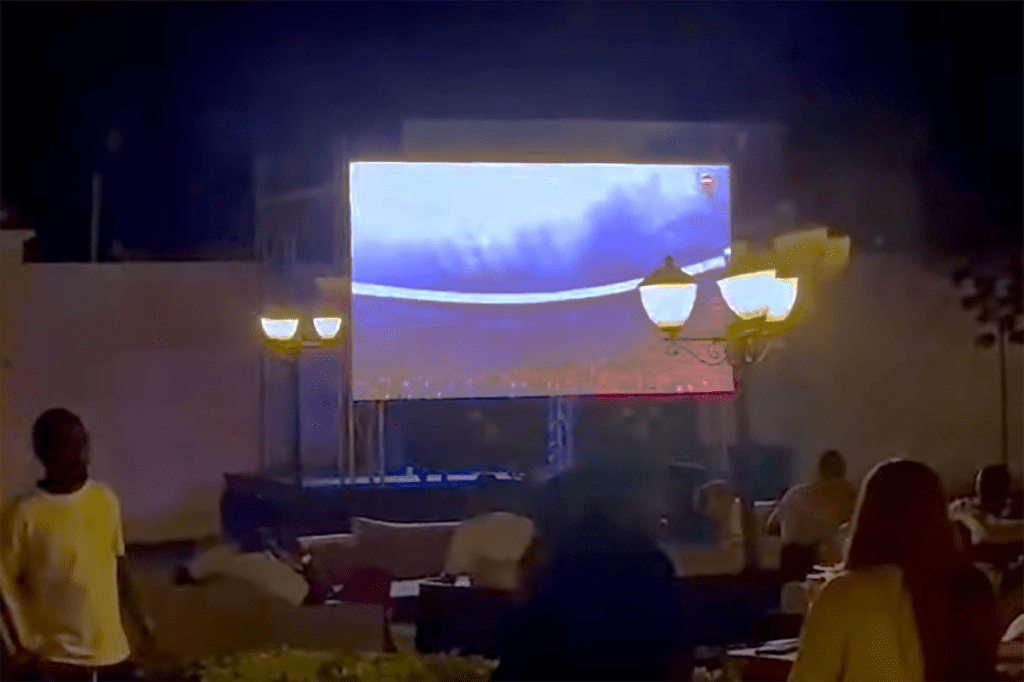 Feedback From Tanzania Clients On EA1000C3 LED Rental Screens
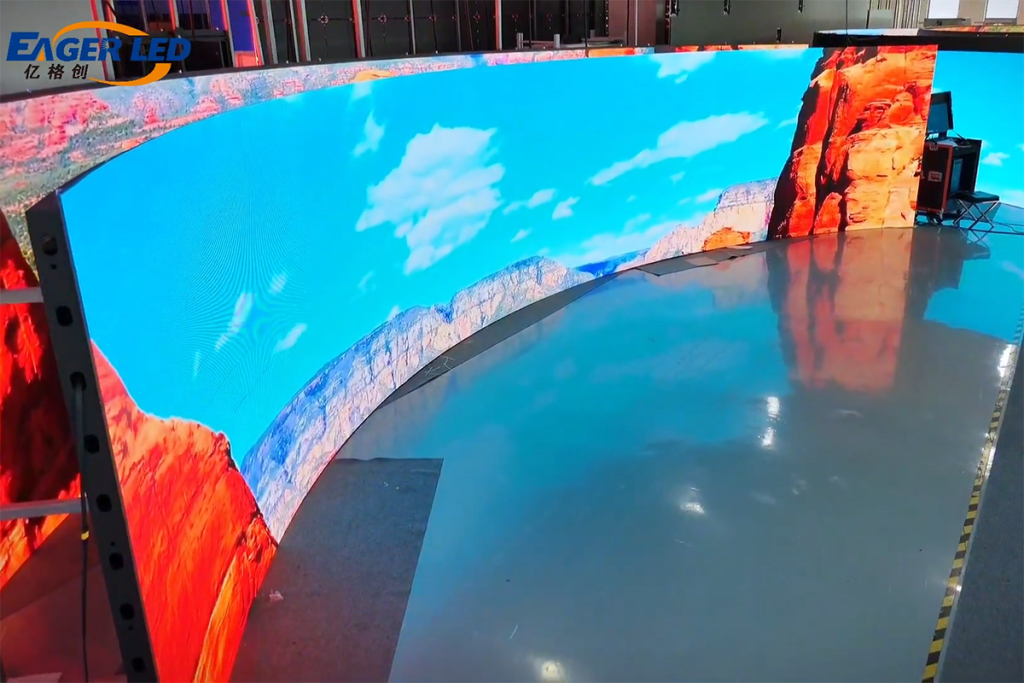 Kazakhstan Customers Visited EagerLED LED Board Manufacturer