

Stadium LED Screen & Sports LED Display Solutions
EagerLED supplies stadium LED screen and sports LED display solutions for football fields, arenas, racing venues and e-sports events. Available formats include perimeter LED boards, scoreboards, center-hung displays and large video screens for scores, live video, replays and sponsor advertising.
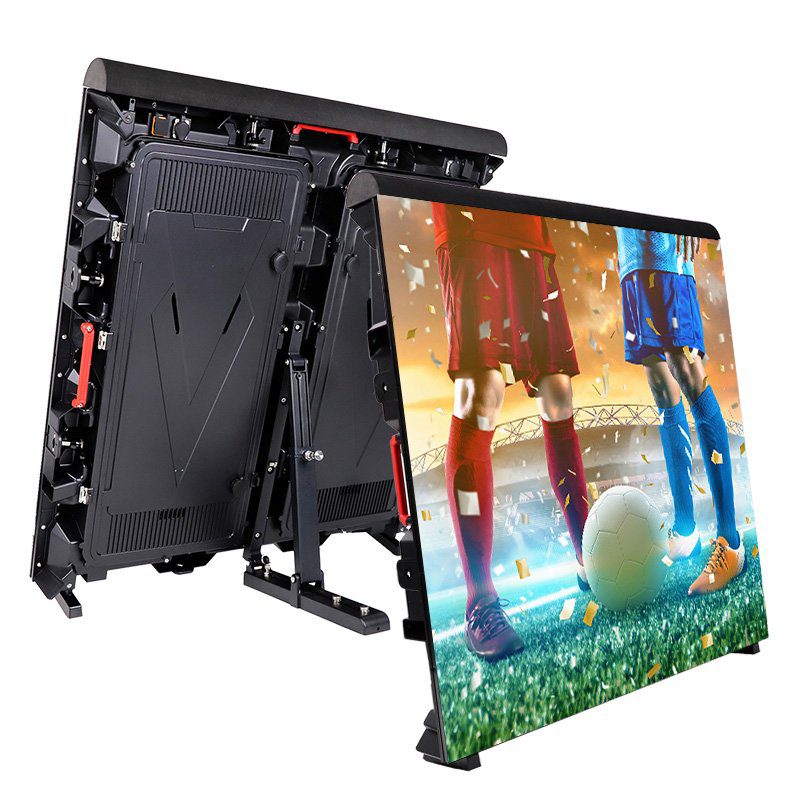
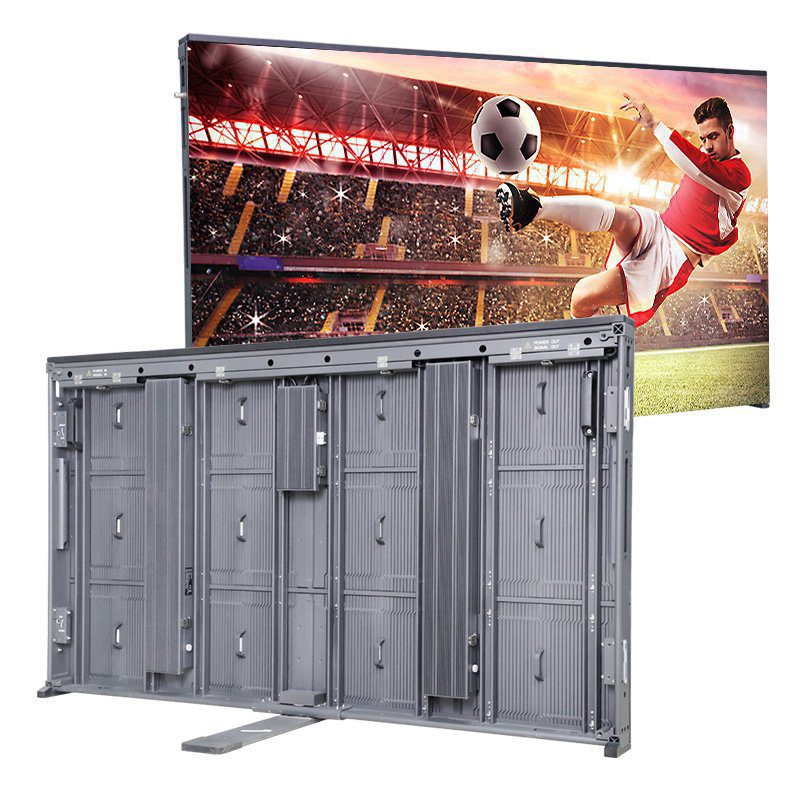
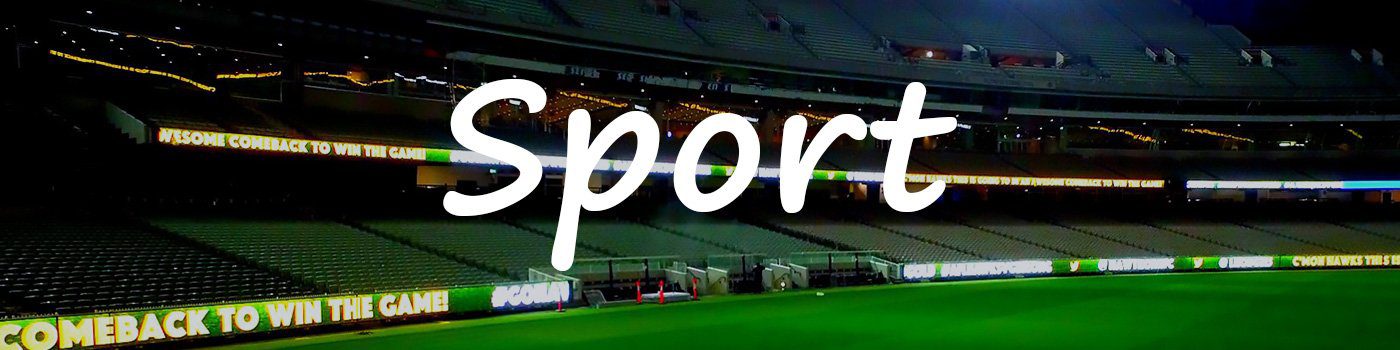
Sports LED Display Manufacturer for Stadium Projects
EagerLED provides high quality indoor and outdoor LED display for sports. Our sports LED screens provide the perfect solution for various sporting events. Contact us for sports LED display solutions.
Applications of LED Display for Sports
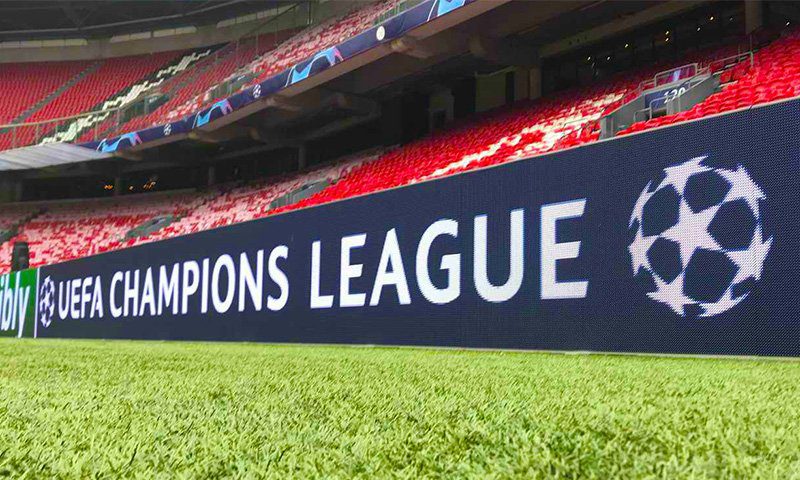
1. Stadium Perimeter LED Display
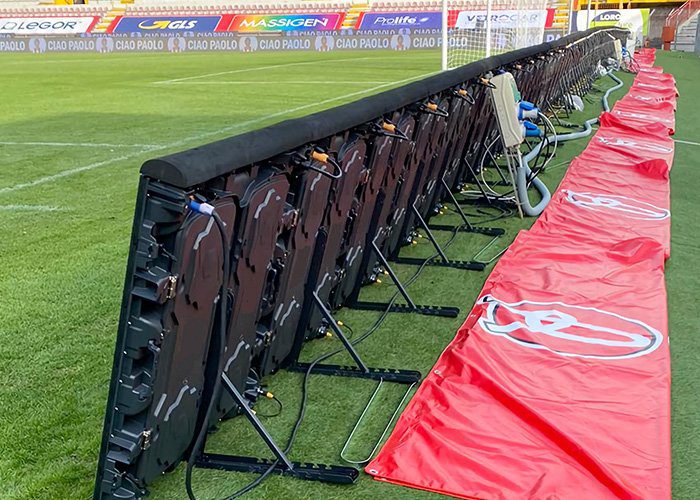
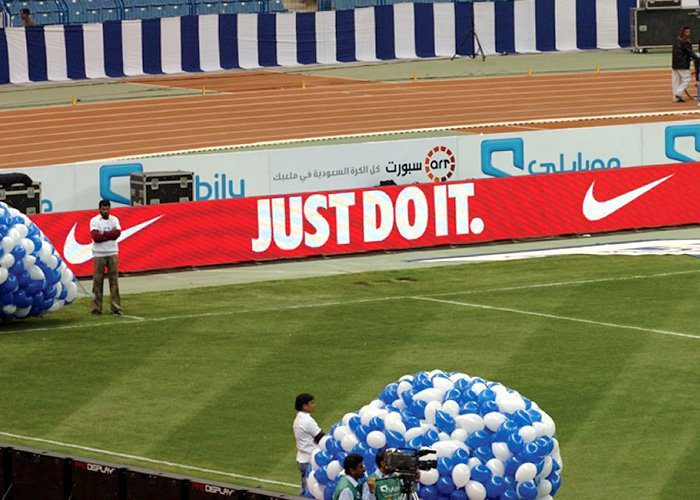
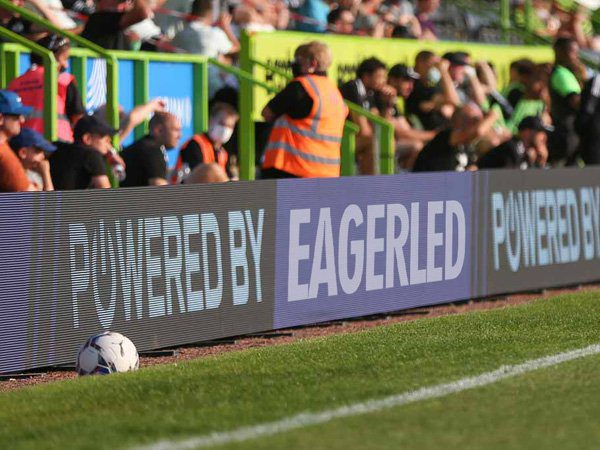
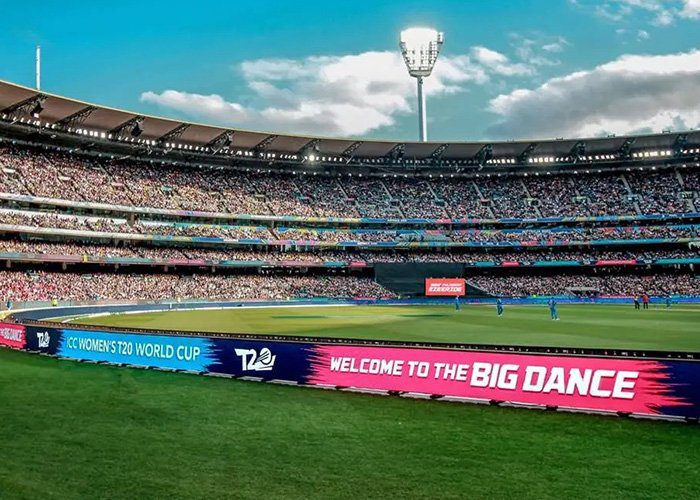
Stadium perimeter LED displays are usually installed around the stadium, mainly used to display sponsor advertisements and event information, and are widely used in sports venues such as football fields. Stadium LED screens are equipped with adjustable brackets, soft masks and rubber covers to effectively protect athletes from potential injuries. Nowadays, sports fence LED screens have become an important advertising display platform in sports events.
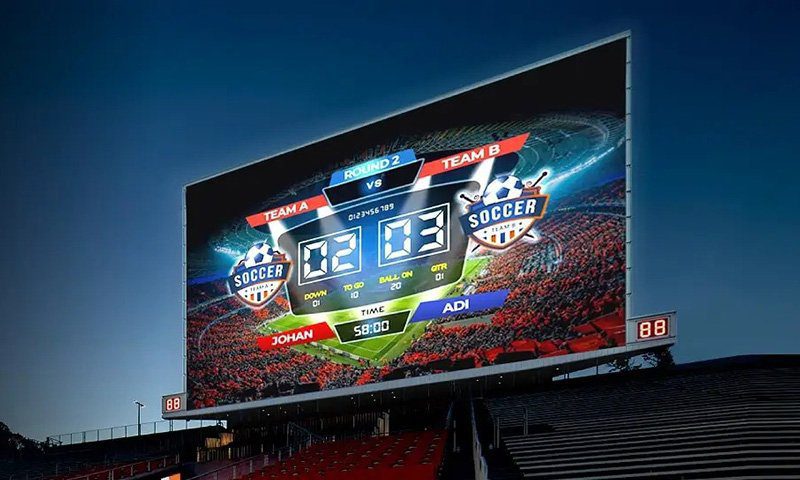
2. LED sports scoreboards
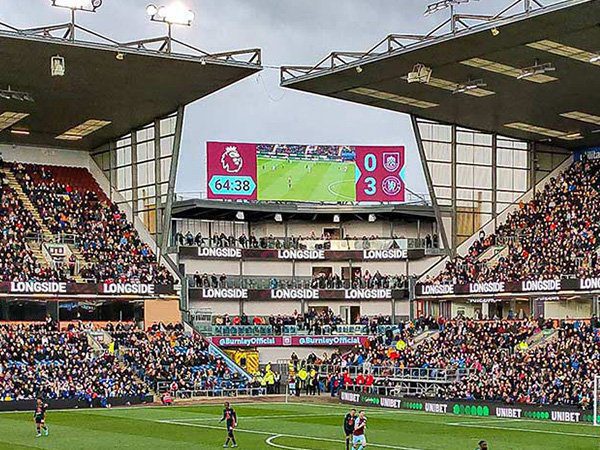
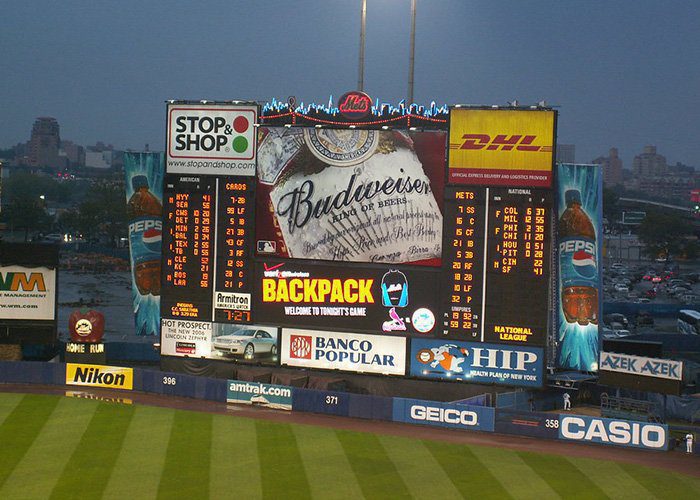
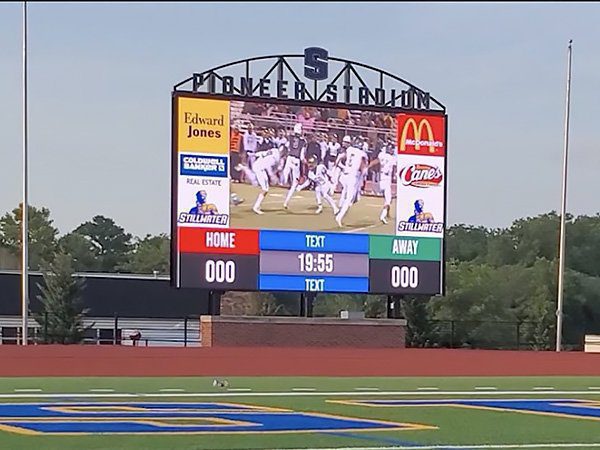
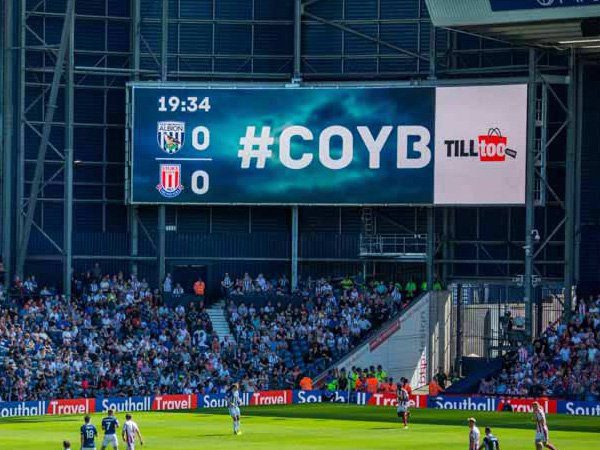
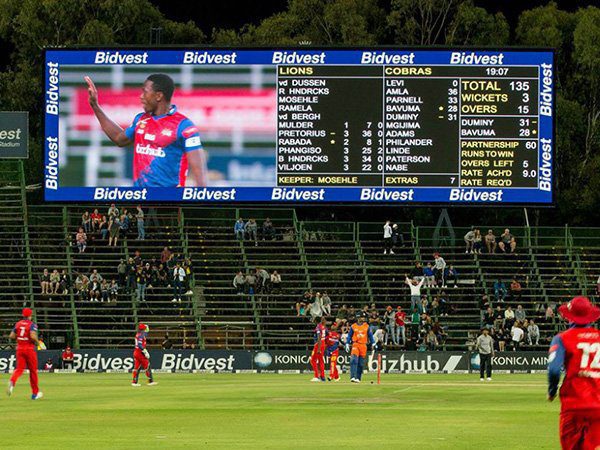
LED sports scoreboards are common equipment in modern sports events and are widely used in various ball sports events, such as football, basketball, rugby, etc. LED scoreboards have higher clarity and flexibility, and can display important data such as scores, time, and game sections in real time and accurately. LED scoreboards further enrich the atmosphere of the event and enhance the audience’s experience.
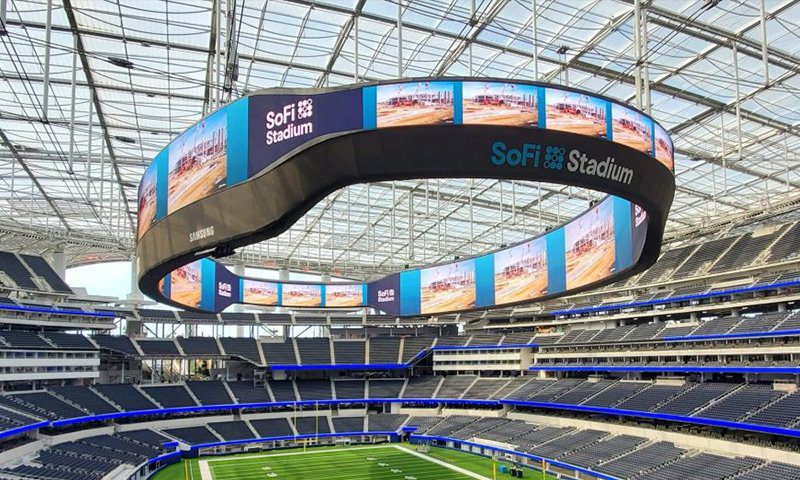
3. Center-hung LED screen
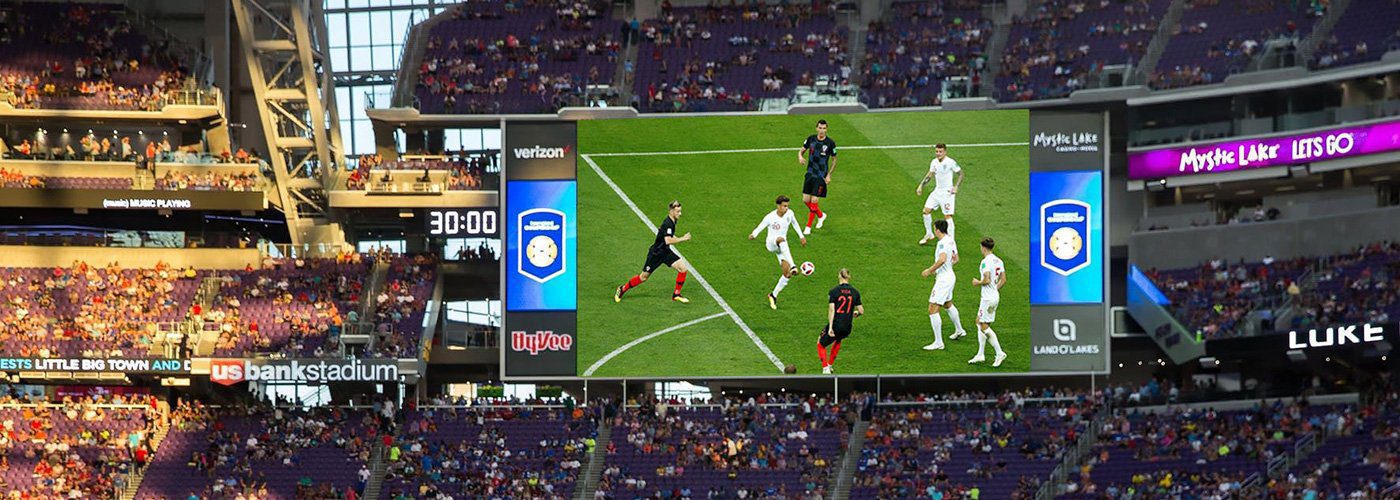
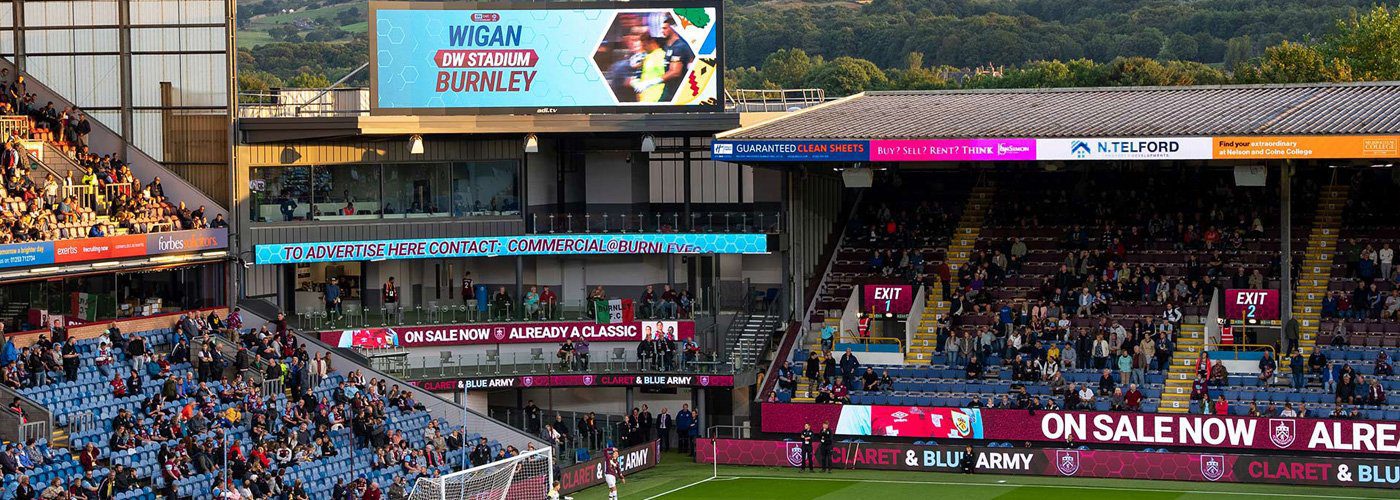
The center-hung LED screen is generally hung in the center of the venue and is usually used for large-scale competitions and major events. It can display the dynamic pictures and game information of the game in 360 degrees. The center-hung LED screen is not only a platform for event display, but also can be used to play advertisements, live events, slow-motion playback and other content, providing the audience with a better visual experience.
4. LED billboards
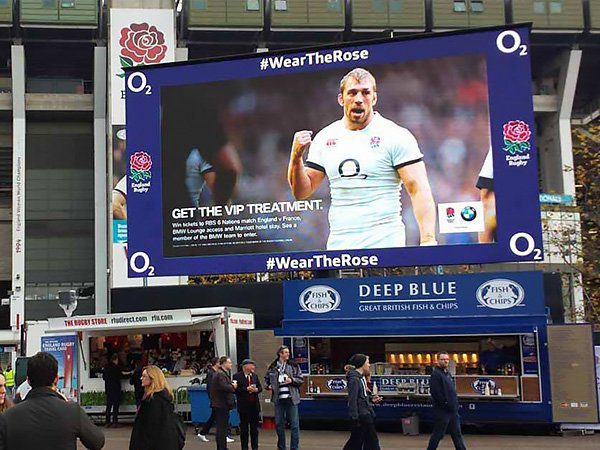
LED billboards have become a common form of advertising communication in sports events. Whether inside or outside the venue, the high brightness and high definition of LED billboards enable them to maintain clear display in various lighting environments and attract the attention of the audience. Sports LED billboards can display brand advertisements, event information and other content, and provide efficient exposure channels for events.
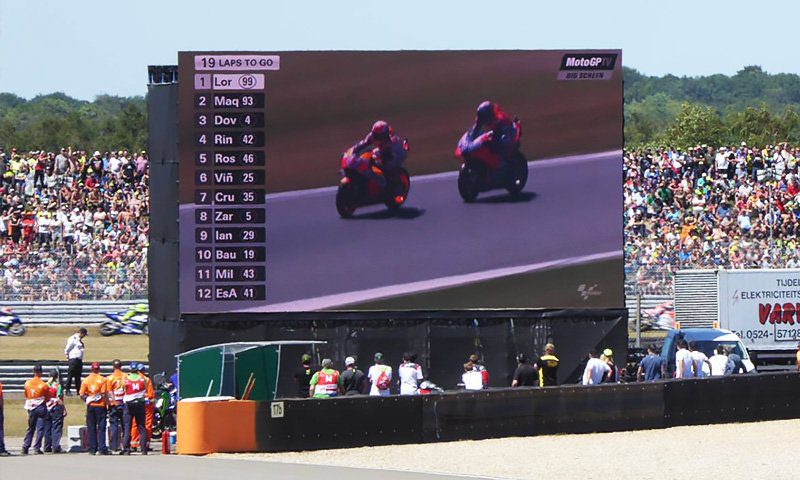
5. Outdoor racing events
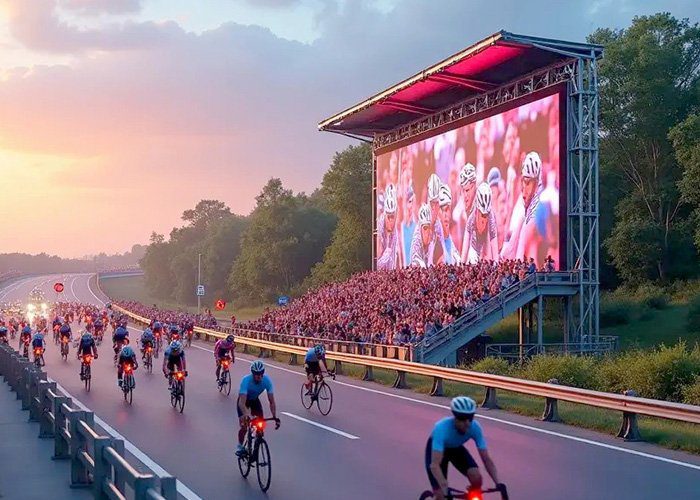
In outdoor racing events, such as marathons, racing, skateboarding, etc., these outdoor events often involve a wide track, and the interaction between participants and spectators requires the use of LED screens to convey real-time information. For example, in racing events, outdoor LED screens can also display exciting replays and slow-motion shots of the event, providing clearer event images for spectators far away from the track.
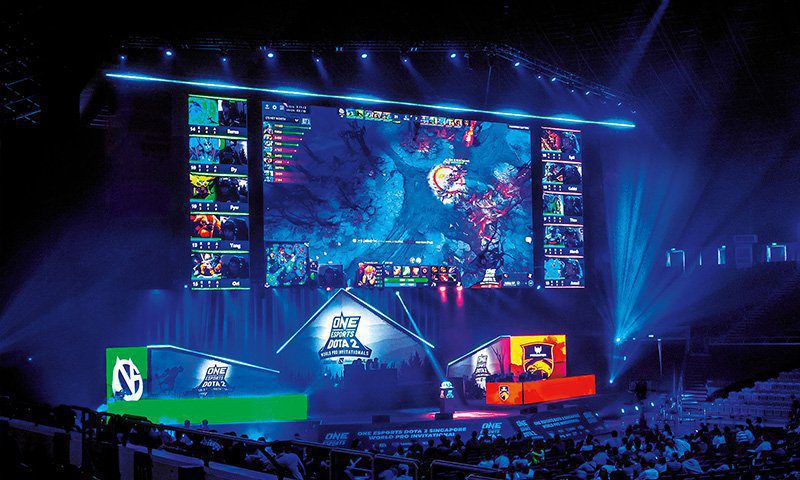
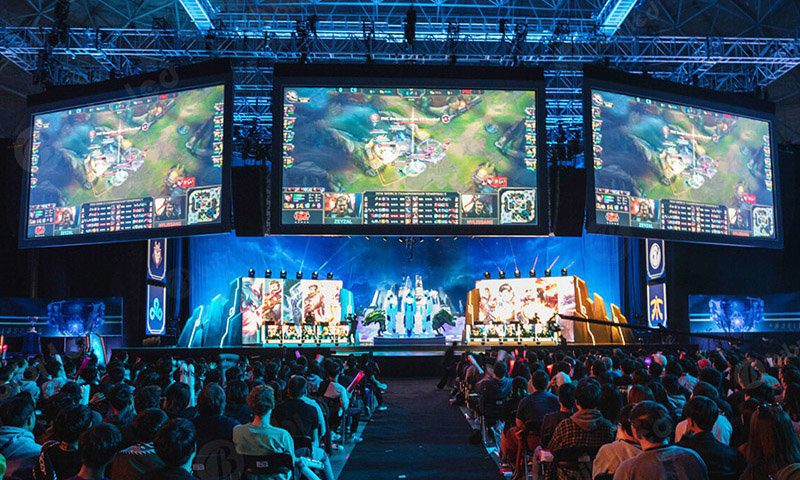
6.E-sports events
In e-sports venues, LED screens are not only the main display platform for the competition, but also play an important role in creating the atmosphere on site. LED screens can display game images, real-time data, player information and exciting moments in high definition, and can also play advertisements and brand information. LED screens provide spectators with more intuitive competition content, enhancing the entertainment and participation of the event.
Why Choose EagerLED for Sports LED Display Projects
1. Industry-leading technological innovation: With years of R&D experience, EagerLED sports LED screens can meet the needs of various sports venues, such as football fields, basketball courts, racing tracks, etc.
2. Rich product variety: EagerLED provides a variety of LED display for sports, covering peripheral LED display screens, LED video scoreboards, LED billboards, etc.
3. Excellent display effect: EagerLED LED display for sports have the characteristics of high brightness, high definition, low energy consumption, long service life, etc., providing stable display effects.
4. One-stop service: EagerLED provides a full range of services from design, production to after-sales, and tailors sports LED screen solutions according to the specific needs of customers.
5. Commercialization and interactivity: EagerLED LED display for sports can not only enhance the audience’s interactive experience, but also help venues and event organizers realize commercial value.
Customer Case of LED Display for Sports
EagerLED LED display for sports are well received by customers for their excellent performance and high-quality services. Customers recognize the customized solutions and full services provided by EagerLED, and believe that its products not only improve the operational efficiency of the venues, but also bring more commercial value to the events.
P8 Outdoor Sports Stadium LED Screen to Italy
P6.67 Outdoor Speedway LED Billboard in Spain
Stadium LED Screen & Sports LED Display Buyer’s Guide
A stadium LED screen is a high-brightness, high-refresh display system built for live scores, video replays, sponsor advertising and venue information. Sports LED displays can be installed as pitch-side perimeter boards, scoreboards, center-hung video screens or large-format stadium displays. The right configuration depends on viewing distance, camera requirements, weather exposure, installation method and service access.
For an outdoor perimeter project, start with pixel pitch, brightness, refresh rate and protection level, then confirm cabinet safety and the control workflow. For example, the EA960SP4 sports LED display offers P5, P6.67, P8 and P10 options, up to 6,000 cd/m² brightness, at least 3,840 Hz refresh, a 960 × 960 mm cabinet and impact-reducing front protection.
Key takeaways:
- Use a finer pixel pitch for closer viewing and a larger pitch for long-distance stadium viewing.
- Prioritize high refresh and stable signal distribution when broadcast cameras will capture the screen.
- For pitch-side use, specify soft masks, rubber edge protection and a stable adjustable support.
- Plan power, data, drainage and front/rear service access before cabinet production.
- Request a project quote based on screen dimensions, pitch, installation, controller, spares and delivery location.
Quick Navigation
1. What Is a Sports LED Display?
A sports LED display is a modular video system designed to show scores, timing, live feeds, replays, sponsor content and venue messages. Unlike a conventional indoor display, a stadium LED screen must remain readable across long viewing distances and changing light while supporting continuous event operation.
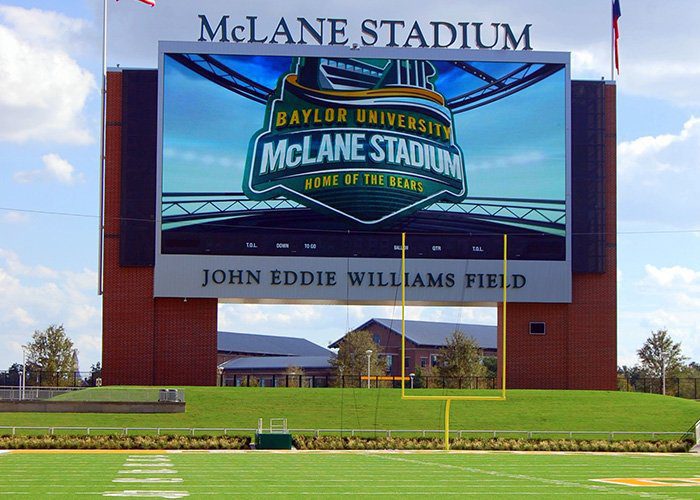
The format should match the job: perimeter boards serve pitch-side advertising; scoreboards prioritize data clarity; center-hung displays provide multi-direction viewing; and large end-zone screens combine video, scoring and sponsor inventory. FIFA’s Stadium Guidelines treat perimeter advertising as part of the field-side planning process, so screen position and safety clearances should be coordinated with the venue design team.
| Display format | Best use | Priority features | Planning note |
|---|---|---|---|
| Perimeter LED board | Football, rugby and track-side advertising | Soft mask, rubber edges, adjustable support, high refresh | Confirm field clearance and camera sightlines |
| LED scoreboard | Scores, timing, lineups and statistics | Data integration, redundancy, high contrast | Define the scoring feed and backup workflow |
| Center-hung LED display | Indoor arenas and 360-degree viewing | Wide viewing angle, structural engineering, service access | Coordinate weight, rigging and maintenance routes |
| Large stadium video screen | Live video, replays, announcements and ads | Brightness, resolution, broadcast-friendly refresh | Size the screen for the farthest audience zone |
2. Benefits of a Stadium LED Screen
2.1 Clear Viewing in Bright or Changing Light
Brightness and contrast should be selected for the actual venue rather than from a generic indoor/outdoor label. Outdoor stadium screens need enough luminance for daylight readability, while indoor arenas often benefit more from controlled brightness, fine pixel pitch and comfortable viewing at shorter distances.
The EA960SP4 specification lists 5,500-6,000 cd/m² depending on model. Treat that as a product reference, not a universal target: screen orientation, local sunlight, operating hours and camera exposure all affect the final requirement.
2.2 Real-Time Scores and Event Information
A sports LED display can combine score, clock, period, player statistics and safety notices in one controlled output. Define the data source before choosing the controller so the system can accept the venue’s scoring feed and switch cleanly between live data, video and scheduled content.
- Use a primary and backup signal path for critical matches.
- Keep score and time in a protected layout region.
- Prepare manual fallback templates for network or feed interruptions.
2.3 Replays and Audience Interaction
Live feeds, slow-motion replays, player introductions and crowd prompts help spectators follow the action from every seating zone. A high-refresh LED screen also reduces visible scan lines when broadcast or in-venue cameras record the display.
Ask the video production team for camera frame-rate and shutter requirements before finalizing refresh settings.
2.4 More Flexible Sponsor Inventory
Digital perimeter boards let operators schedule multiple sponsors in the same physical run, change creative between periods and localize messages for different events. The commercial benefit depends on a reliable content schedule, readable creative and accurate proof-of-play reporting rather than screen size alone.
For additional outdoor formats, compare the site’s advertising LED board solutions.
2.5 A Multi-Purpose Venue Display System
The same stadium LED display can support league matches, concerts, ceremonies, exhibitions and community events. A reusable screen and control platform reduces the need for separate temporary displays, provided the rigging, power distribution and content workflow are designed for fast changeovers.
Venues that need temporary configurations can also review rental LED screen systems.
3. Sports LED Display Specifications and Safety Features
3.1 High Refresh Rate for Cameras
Refresh rate affects how the screen appears to cameras. For broadcast-facing stadium projects, 3,840 Hz or higher is a common project specification; the correct value still depends on camera settings, brightness mode and controller configuration. The EA960SP4 lists a refresh rate of at least 3,840 Hz.
3.2 Ingress Protection for Outdoor Use
IP ratings describe enclosure protection against solids and water under IEC 60529. The EA960SP4 lists front IP65 and rear IP54 protection for most variants. Final weather performance also depends on cabinet orientation, seals, cable entries, drainage and installation workmanship.
3.3 Pixel Pitch and Viewing Distance
Choose pixel pitch from the closest important viewing distance and the resolution required for the content. The available EA960SP4 options are P5, P6.67, P8 and P10. A finer pitch increases pixel density for close viewing; a larger pitch can be more economical for long perimeter runs viewed from the stands.
Use the LED screen specification library to compare cabinet-level parameters before requesting a final design.
3.4 Impact-Reducing Front Protection
Pitch-side perimeter displays should use a soft front mask and protected upper edges to reduce damage from ball impact and create a more forgiving field-facing surface. Safety planning must also cover cabinet stability, cable routing, field clearance and emergency access.
3.5 Installation and Service Access
Confirm whether the screen requires front service, rear service or both. Rear access can simplify power and signal inspection, while front access may be essential where space behind the display is limited. Integrated handles and repeatable cabinet alignment reduce installation time across long stadium runs.
Review common components in the LED display parts guide.
3.6 Adjustable Support and Stable Alignment
Adjustable rear supports help installers set a consistent angle and keep cabinets aligned across uneven perimeter layouts. The supporting structure must be engineered for the cabinet load, wind exposure and local venue conditions; the display supplier’s cabinet data is only one input to that calculation.
4. Operational Advantages for Sports Venues
4.1 Configurable Screen Formats
Modular cabinets can be configured as straight perimeter runs, large video walls, scoreboards or venue information displays. Standard cabinet dimensions make spares, alignment and future expansion easier to plan.
4.2 Efficient Operation and Maintenance
Energy use depends on screen area, brightness, content and power design. Specify typical and maximum power consumption, then create brightness schedules for daylight, evening and indoor operation. Easy service access and stocked spare modules can reduce event-day downtime more effectively than a low purchase price alone.
4.3 Fast Event Communication
A single control system can distribute scores, schedules, emergency notices, wayfinding and sponsor content. Clear templates and approval rules let operators publish urgent information without rebuilding layouts during an event.
4.4 Fan and Sponsor Engagement
Live polls, player profiles, social content and sponsor campaigns can be scheduled around the match flow. Keep critical score data readable and avoid overloading the screen with simultaneous messages. A clear content hierarchy improves both spectator comprehension and sponsor visibility.
4.5 Centralized Content Management
Modern control platforms can monitor cabinet status, schedule playlists and switch sources from a central operations room. Document user permissions, backup procedures and show files before handover. The LED display operation tutorials provide additional setup and maintenance guidance.
5. What Determines Stadium LED Screen Price?
Stadium LED screen price is project-specific. A useful quotation should separate the display hardware from the control system, structure, power distribution, spares, packing, freight, installation and commissioning.
Send the supplier these inputs:
- Screen width, height and quantity
- Closest and farthest viewing distance
- Indoor or outdoor location and screen orientation
- Live video, scoreboard, advertising and camera requirements
- Preferred installation and maintenance access
- Destination country, delivery deadline and installation scope
5.1 Pixel Pitch and Total Resolution
Finer pixel pitch increases the number of LEDs, modules and receiving-card capacity required for the same physical area. Select pitch from viewing needs instead of specifying the smallest available value. A long perimeter display viewed from the stands may not benefit from fine-pitch hardware.
5.2 Screen Area and Supporting Structure
Screen area drives cabinet count, structure, power and shipping volume. Curved runs, suspended displays and custom corners add engineering and fabrication work. Provide drawings or venue dimensions so these items are included before the quote is compared.
5.3 Brightness, Refresh Rate and Protection
Higher brightness, broadcast-oriented refresh and stronger ingress protection can increase component and power-system requirements. Compare quotes on the same brightness, refresh, protection and testing criteria; otherwise a lower total may represent a different specification.
5.4 Cabinet Design and Control System
Cabinet material, weight, impact protection, service access and controller redundancy all affect cost and long-term operation. Ask whether sending cards, video processors, fiber transmission and backup equipment are included.
For controller resources, see the NovaStar software download page.
5.5 Service, Spares, Freight and Installation
A complete budget includes recommended spare modules, power supplies, receiving cards, flight cases or wooden packing, transport, duties, installation labor, training and warranty support. Compare the total project scope and response process, not only the screen price per square meter.
6. How to Control a Sports LED Display
A sports LED display normally uses a synchronous control system for live video and event feeds. Smaller information boards may use asynchronous playback for scheduled content. Build the workflow in four stages:
- Map video, score and sponsor-content sources.
- Size the sending, receiving and processing hardware.
- Configure primary and backup signal paths.
- Test show files, failover and operator permissions before the event.
6.1 Select the Hardware Architecture
Define the total pixel load, input formats, output mapping and redundancy requirement before selecting the processor and sending cards. Confirm compatibility between the LED modules, receiving cards, controller and scoreboard or timing system.
6.2 Configure the Control Software
Control software maps cabinets, calibrates brightness and color, schedules playlists and monitors screen status. Save validated configuration files offline and restrict access to trained operators so an accidental mapping change cannot disrupt a live event.
6.3 Build Reliable Data and Signal Paths
Large stadium systems commonly use fiber for long signal runs and copper within shorter cabinet segments. Separate power and data routes where practical, label every link and provide tested backups for high-priority feeds. Network design should account for latency, bandwidth and venue IT policies.
6.4 Prepare Content and Event-Day Procedures
Create reusable templates for scores, lineups, advertisements, emergency messages and technical fallback screens. Rehearse source switching and define who can approve last-minute content. A written runbook should include start-up, shutdown, brightness changes, fault isolation and escalation contacts.
7. Sports LED Display FAQs
7.1 What Specifications Matter Most for a Sports LED Display?
Prioritize pixel pitch, brightness, refresh rate, viewing angle, ingress protection, cabinet weight, service access, controller capacity and redundancy. For pitch-side systems, also review soft masks, rubber edge protection and support stability.
7.2 How Do I Choose Pixel Pitch and Screen Size?
Use the closest important viewing distance to shortlist pixel pitch, then calculate the total resolution for the planned screen dimensions. Screen size should be checked against the farthest seating zone, content type and venue sightlines. A supplier can produce a pixel map once width, height and pitch are known.
7.3 What Brightness and Refresh Rate Does a Stadium Need?
There is no single value for every venue. Outdoor orientation and daylight determine brightness, while camera frame rate and shutter settings influence refresh requirements. The EA960SP4 reference specification provides 5,500-6,000 cd/m² and at least 3,840 Hz, but the project team should confirm final settings with the venue and broadcast workflow.
7.4 What Safety Features Should a Perimeter LED Screen Have?
Look for a soft front mask, protected top edges, stable adjustable supports, secure cable routing and a layout that respects field clearances. Structural and event-safety approval remains the responsibility of the venue’s qualified project team.
7.5 Can One Screen Show Scores, Live Video and Advertising?
Yes. A suitable processor and content system can combine these sources in full-screen scenes or controlled layouts. Protect critical score and clock data, and prepare backup scenes for feed interruptions.
7.6 What Information Is Needed for a Sports LED Display Quote?
Provide screen dimensions, viewing distance, venue type, installation position, target pixel pitch, brightness and camera needs, service access, control inputs, destination and deadline. Photos, drawings and a content brief help the supplier define the scope accurately.
8. Plan Your Stadium LED Screen Project
A successful stadium LED screen project starts with venue measurements, viewing distances, content sources and operating responsibilities. Finalize the pixel pitch, brightness, refresh rate, safety design, structure, power, signal redundancy and service route before production.
Compare the dedicated stadium LED screen solutions and the EA960SP4 product specification, then send your drawings and requirements to EagerLED. The project team can prepare a cabinet layout, control proposal and itemized quotation for your sports venue.
